Why Do Testimonials Matter for Irish Businesses?
Research shows that 92% of consumers read reviews before making a purchase. For Irish SMEs competing against bigger players with larger marketing budgets, testimonials level the playing field. They let you borrow trust from people who've already taken the risk of working with you.
Irish buyers are picky — in a good way. We value authenticity and local connection. A testimonial from a business owner in Cork or Galway carries real weight. A stock photo and generic quote never will. Studies suggest that showing testimonials can increase conversion rates by up to 270%. That's not a small bump. That's the difference between a website that works and one that just sits there.
What Makes a Testimonial Believable?
Being specific beats being general every time. Compare these two examples:
Generic Testimonial: "Great service, would recommend!"
Trust-Building Testimonial: "Before working with them, I was spending every Sunday stressed about our social media. Now I actually enjoy weekends again. They understood exactly what our café needed."
The second one works because it tells a story. You can picture the person. Their problem makes sense. The relief feels real.
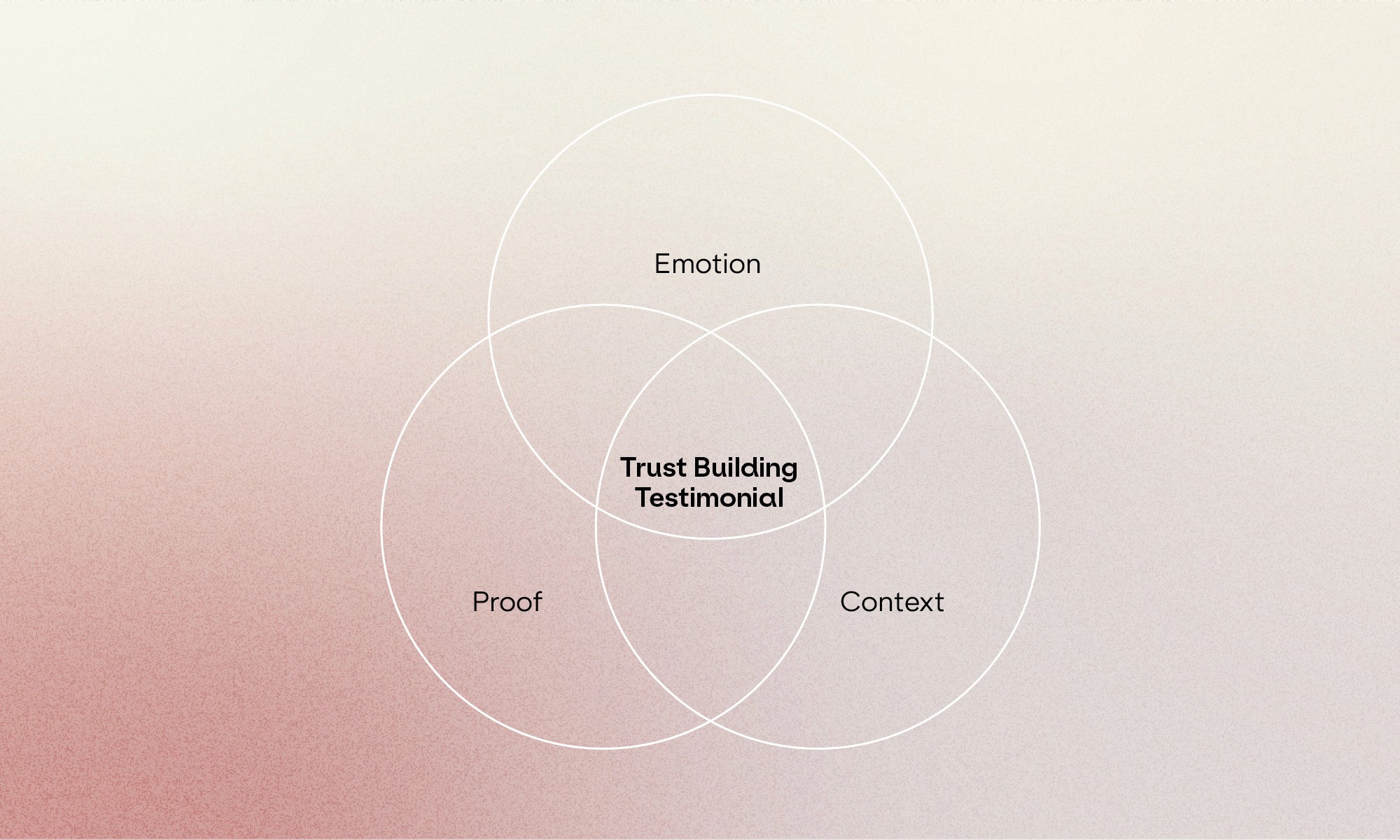
Strong testimonials share three qualities. First, they include emotion: how did the customer feel before and after? Second, they offer proof: time saved, revenue gained, stress reduced. Third, they provide context: real names, real businesses, real situations.
This is where your brand messaging matters. The best testimonials don't just praise your service. They echo your values and voice. If your brand is about making life easier for busy business owners, your testimonials should reflect that.
How Do I Ask for Testimonials Without Feeling Awkward?
Most business owners know testimonials are valuable. The problem is that asking for them feels awkward. Nobody wants to seem pushy or needy.
The trick is timing and approach. Ask when the good experience is fresh: right after a successful project, a compliment, or a repeat purchase. And don't ask for a "review." Ask what changed for them.
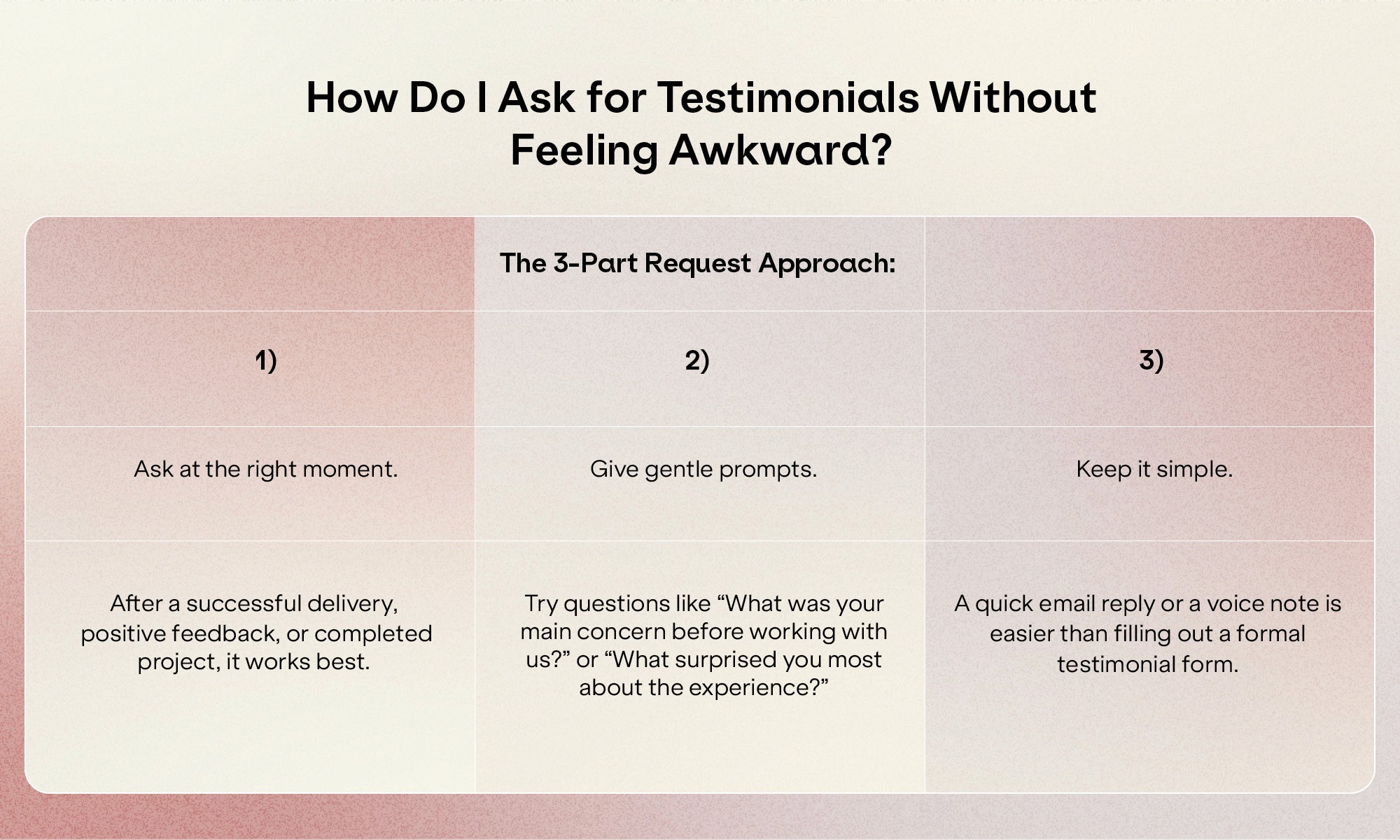
The 3-Part Request Approach:
Ask at the right moment. After a successful delivery, positive feedback, or completed project works best.
Give gentle prompts. Try questions like "What was your main concern before working with us?" or "What surprised you most about the experience?"
Keep it simple. A quick email reply or a voice note is easier than filling out a formal testimonial form.
At BrandNew Creative, we believe that the best testimonial requests don't ask "Can you write us a review?" They ask, "What changed for you?"
Where Should You Display Testimonials?
Collecting testimonials is only half the job. Placement matters just as much.
Your homepage needs trust signals to make a good first impression. Service pages should feature testimonials that address the worries buyers might have. Proposals and pitch decks benefit from proof at the decision point. Your Google Business Profile helps with local visibility and trust. And social media makes testimonials shareable and human.
Working with a brand messaging agency helps your testimonials support your message everywhere customers see you — not just where there's space to fill.
How Gym+Coffee Uses Testimonials to Build Trust
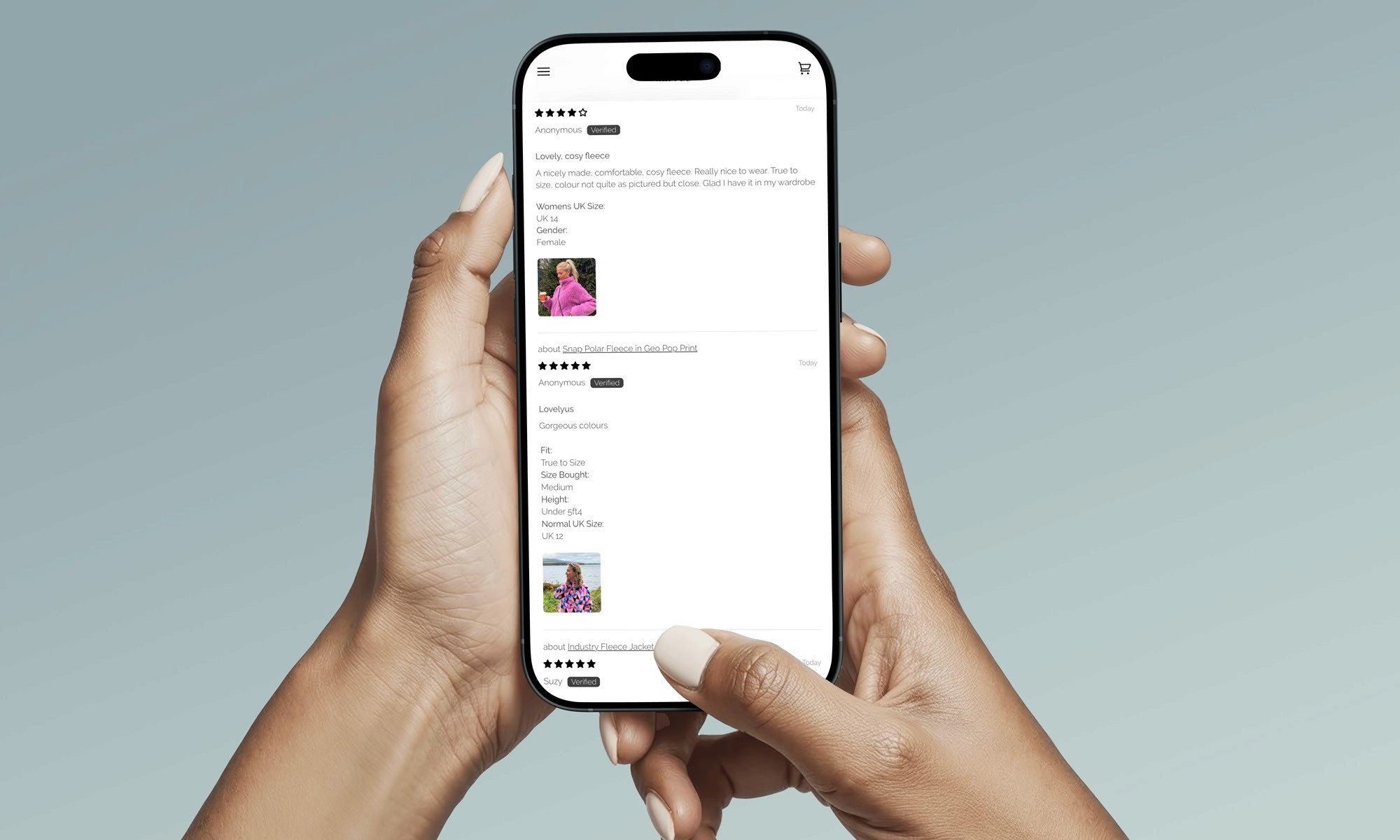
Dublin-founded athleisure brand Gym+Coffee offers a masterclass in testimonials done well. Their website features a dedicated reviews page where customers describe specific experiences. They mention the fit of a hoodie, the helpful staff in Dundrum, and the quality that keeps them coming back.
Their testimonials reinforce brand values. Customers mention supporting an Irish brand, feeling good in the clothes, and the sense of community. The company responds to reviews publicly, showing they listen. It's specific, authentic, and placed well across their website and Trustpilot profile.
The takeaway? Their testimonials work because customers describe real experiences, not just star ratings.
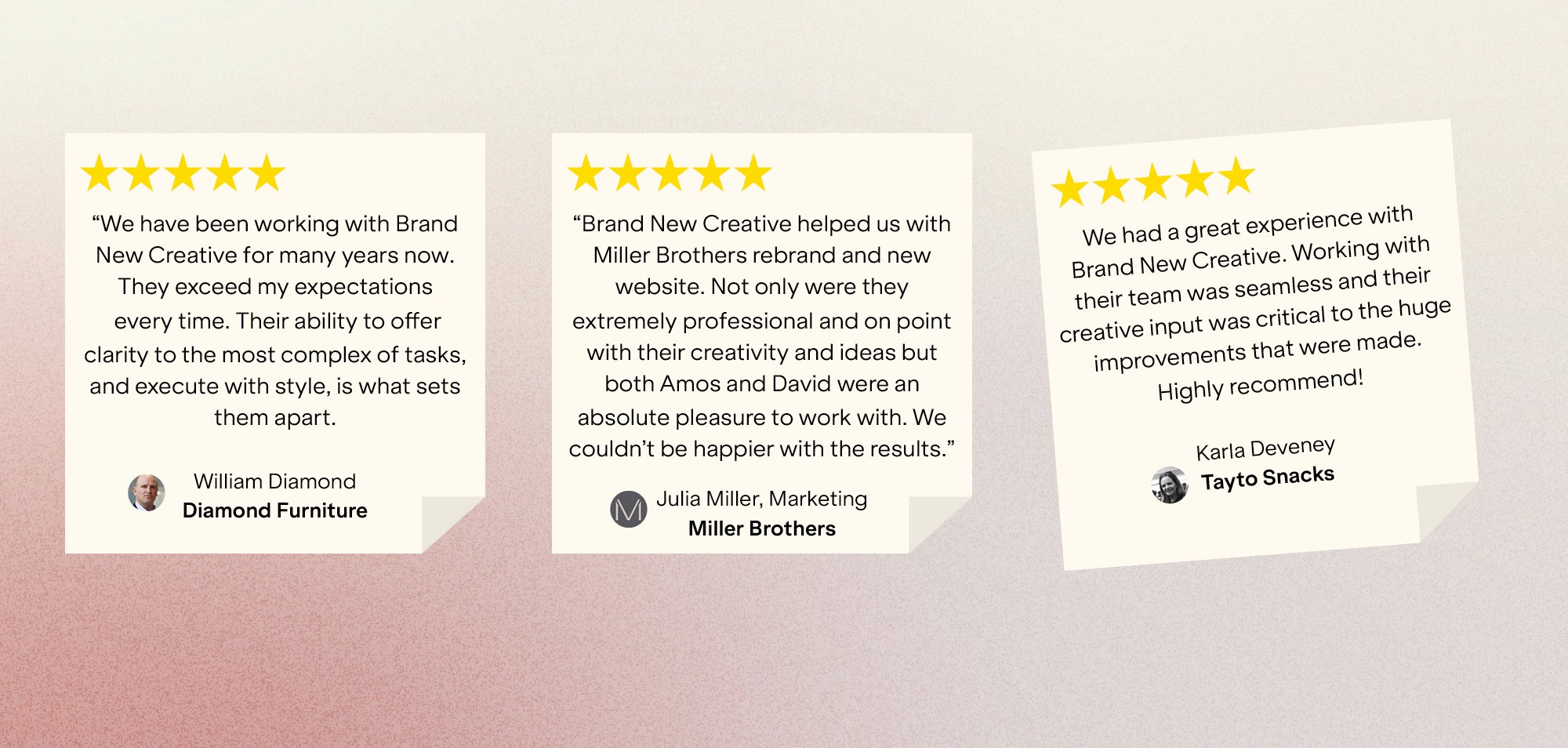
Your Testimonial Checklist
A trust-building testimonial should include:
The customer's situation before (the problem)
What working with you changed (the experience)
The result or feeling now (the outcome
Specific details like names, numbers, or timeframes
Permission to use their name and business
Testimonials aren't just nice to have. They're your customers doing your marketing for you. The key is asking the right questions and placing the answers where they'll have the most impact.
If you're unsure how testimonials fit into your wider brand strategy, we'd love to chat. Book a consultation, and let's make your customers' stories work harder for your business.