Irish retail, hospitality, and service businesses do best when customers know you at once. It doesn't matter if they walk through your door or land on your site. Your shopfront and Instagram serve different purposes, but they should feel the same. When your brand strategy guides both your physical space and website, customers trust you more. Your business feels joined-up, not thrown together.
Why Does Brand Consistency Between Online and In-Store Matter?
Today's Irish shoppers browse online before they visit stores. Or they find you in person, then check your website later. This isn't unusual anymore. It's the norm.
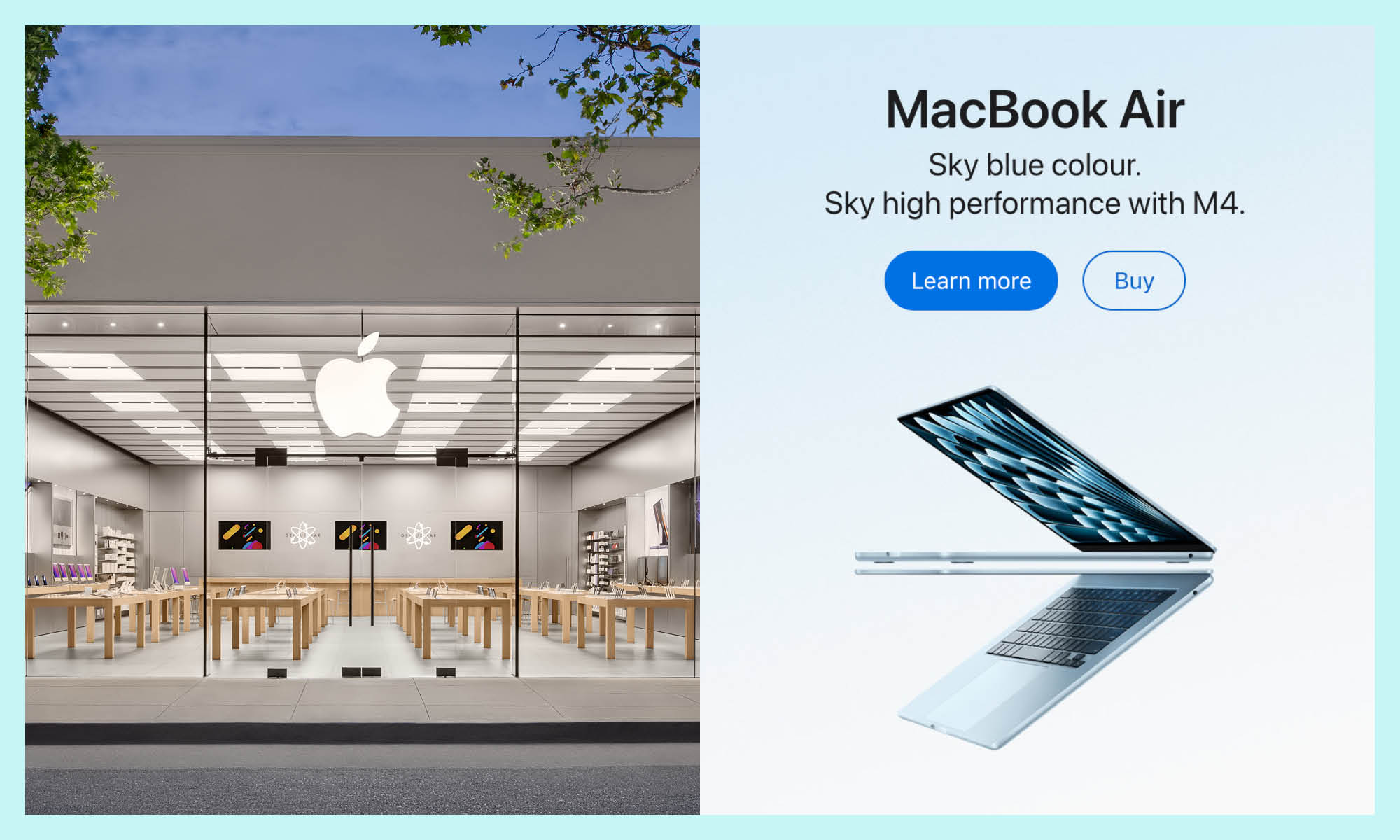
When your shop looks sharp but your website feels dated, customers notice. When your Instagram style doesn't match your actual store, they spot it. That gap creates doubt. They start to wonder if you're the right choice.
Even the most old-school Irish firms need to be online now. Your rivals have websites. Customers compare your shop and your site against theirs. A clear brand strategy helps you stay consistent across both worlds. That way, customers know you at a glance.
What's the Difference Between Online and In-Store Branding?
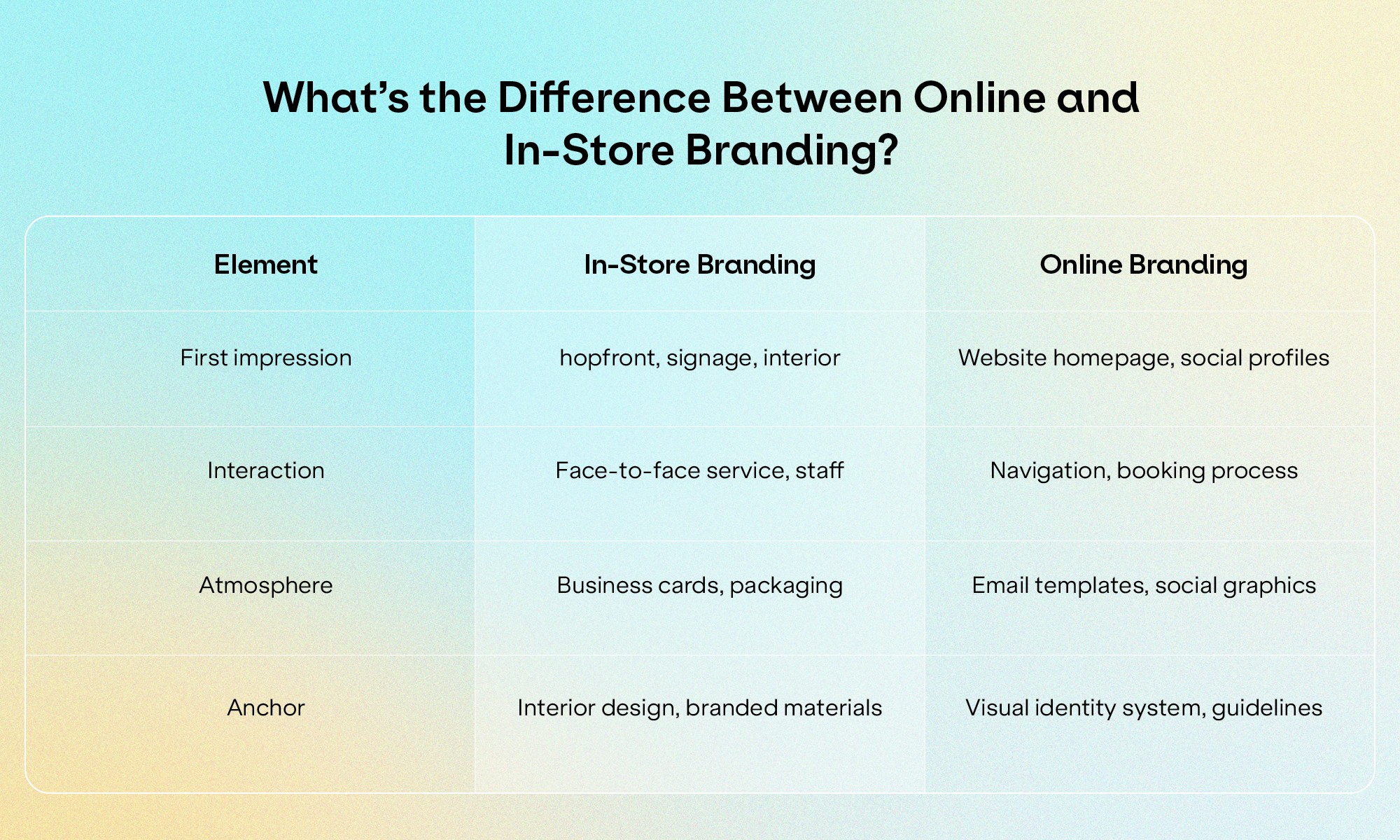
The key insight? Both channels should feel like part of the same business. Different formats, same personality.
What Does Good Online and In-Store Consistency Look Like?
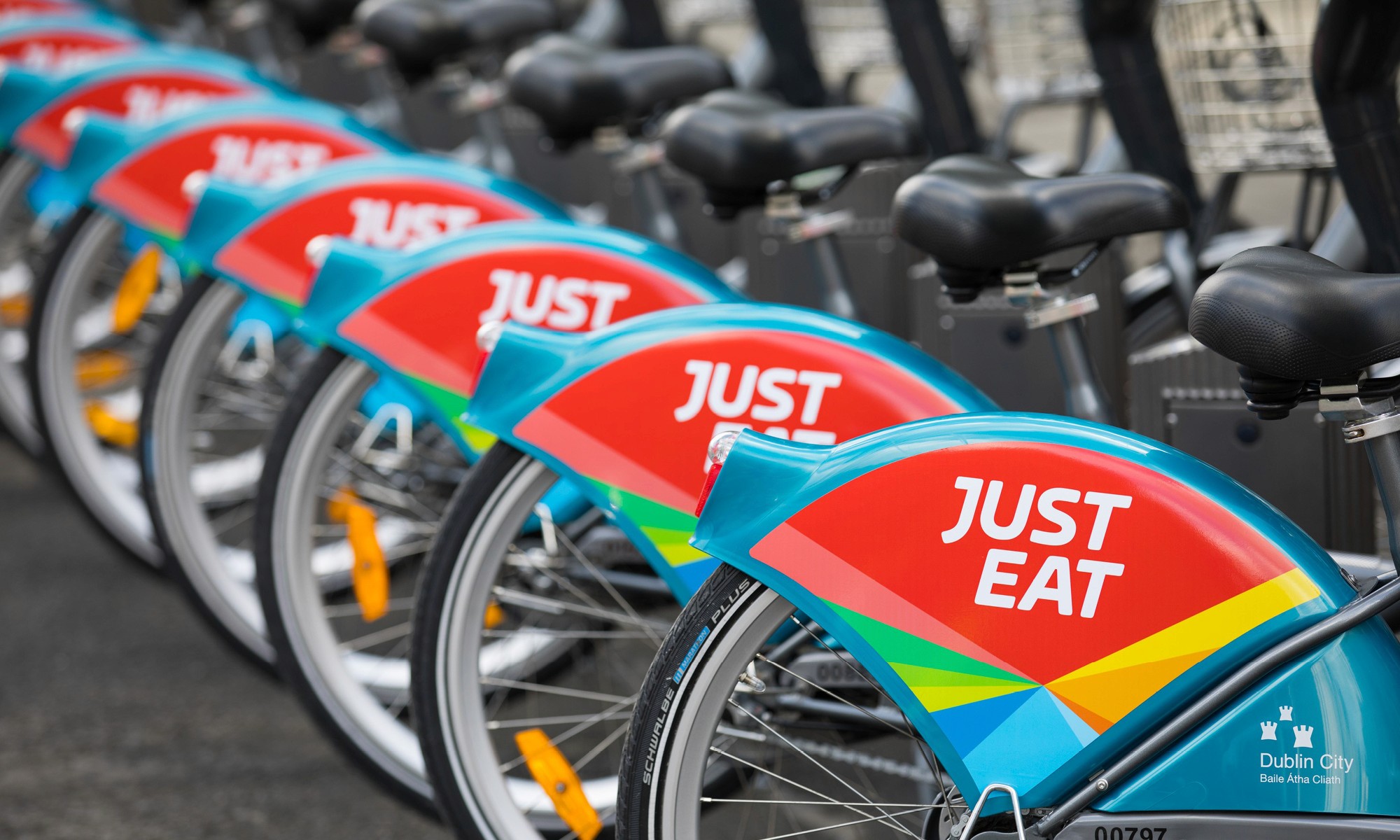
Just Eat offers a great example. That bold orange branding works whether you spot it on delivery bikes, in the app, or across ads. The same fun, friendly vibe shines through in both physical packaging and website design. Each channel serves a different purpose, but everything feels like one brand.
For Irish firms, this looks different by sector:
A retail shop might match its window display style with its website homepage.
A restaurant reflects its interior vibe through Instagram and its booking site.
Professional services mirror office polish in their LinkedIn presence and website design.
The thread that ties it all together? A consistent look and feel: the same colours, the same fonts, the same energy.
Where Should You Start with Online and In-Store Brand Consistency?
In our work with Irish SMEs across retail, hospitality, and services, we've seen what works. Businesses that get brand consistency right start by mapping their customer journey. Where do people find your brand? What path do they take from discovery to purchase? Which touch-points matter most for your sector?
Physical Touch-points:
Shopfront or office signage
Interior space and atmosphere
Staff presentation
Business cards and printed materials
Packaging and in-person service
Digital Touch-points:
Website design and navigation
Social media profiles and content
Email communications
Online booking or purchase process
Google Business listing
For Each Touchpoint, Ask:
Does this feel like the same brand?
Would customers know us at once?
Does it reflect our personality?
Is the quality consistent?
How Can Irish SMEs Balance Online and In-Store Brand Investment?
Start with your foundation. Get your brand strategy clear: who you are, what you stand for. Build a visual identity that works across physical and digital spaces. Then focus on where customers find you most.
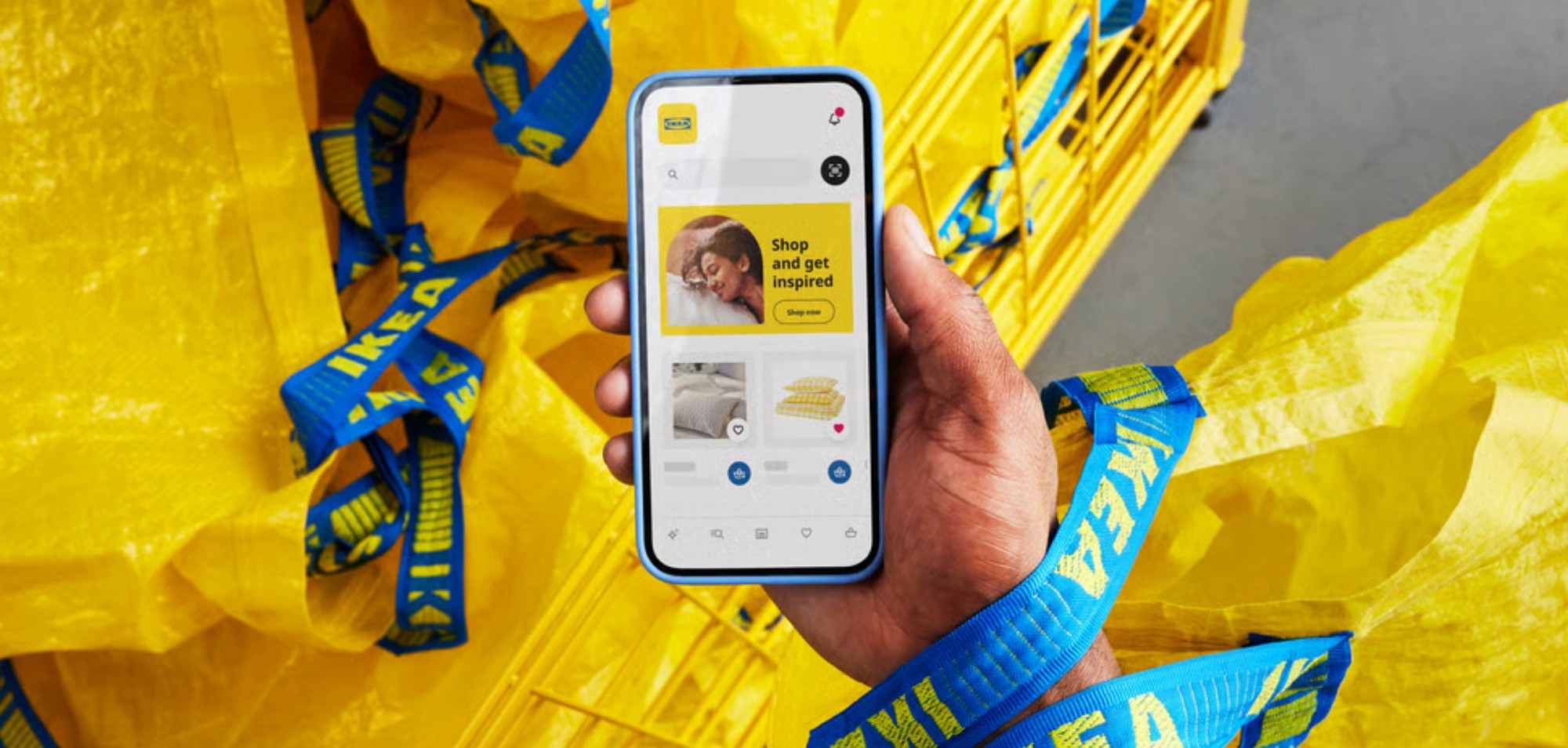
Retail businesses: Your shopfront and interior matter most because customers visit you. Invest in a website that clearly shows your products. Use Google Business for local discovery.
Hospitality businesses: Your physical atmosphere and service come first. Your website handles bookings. Social media shows your ambience. Reviews bridge the two worlds.
Professional services: Your office matters for client meetings. Your website builds credibility. LinkedIn builds authority. Email keeps relationships warm between face-to-face chats.
What Breaks Online and In-Store Brand Consistency?
Treating physical and digital as separate brands tops the list. Different logos between your shop and website. One channel feels polished while the other feels amateur. No link between what happens in-store and online.
Some businesses focus only on one channel. They have a beautiful shop but a poor website. Or they have a slick online presence but a tired physical space. Customers see both, so ignoring either creates problems.
The other common mistake? Not updating as you grow. Physical spaces get refreshed, but websites stay stuck in 2015. Instagram improves, but shopfronts stay dated.
The fix: Think of physical and digital as one unified brand presence. Invest based on where customers find you. Update both when you update one. Use your corporate identity and visual identity as anchors across everything.
We always remind clients that brand consistency isn't about making everything the same. It's about creating the same feeling whether someone walks through your door or lands on your website.
Key Takeaways: Online and In-Store Brand Consistency
Start with brand strategy to create a foundation that works across physical and digital.
Map your customer journey to find which touch-points matter most for your sector.
Invest based on impact — focus on where customers actually find you.
Update both when you update one to avoid a gap between channels.
Use your visual identity as the anchor that holds everything together.
Not sure where to start? Fill in a few details below to start the conversation. We'll assess your current touch-points, find gaps, and create a practical plan tailored to your budget and sector. From brand strategy to website design and social media, we'll help you build consistent branding everywhere customers find you.