How do small Irish businesses navigate brand partnerships? Learn to collaborate strategically with complementary brands without diluting your identity or positioning.
How Do Small Irish Businesses Navigate Brand Partnerships?
Successful partnerships start with strategic clarity about what you want to achieve and how collaboration serves both brands. You're not merging identities, you're creating value through complementary strengths. Small Irish businesses excel at partnerships by maintaining distinct positioning while building something neither could achieve alone.
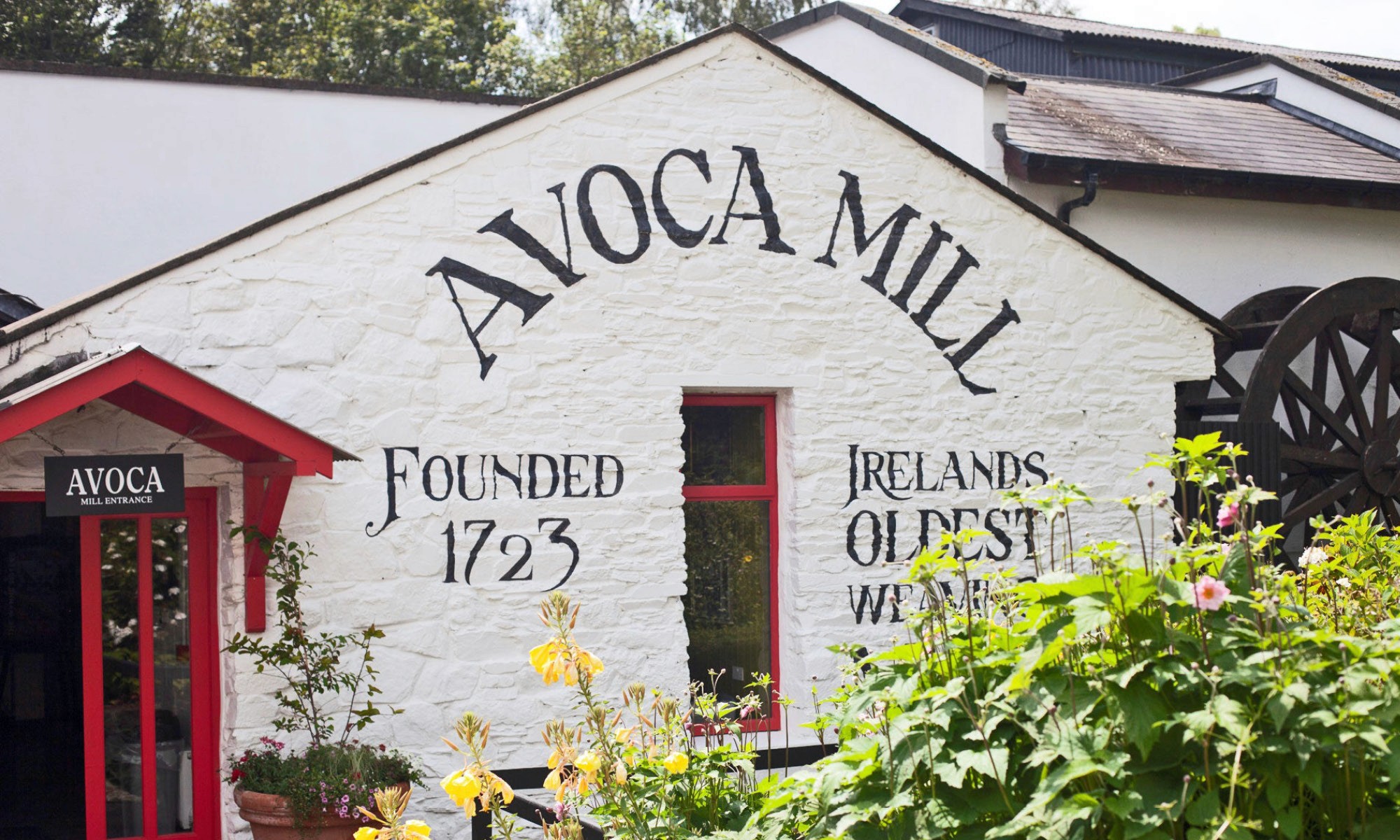
Look at SuperValu's partnerships with local producers. Each producer maintains their brand identity whilst benefiting from SuperValu's distribution reach. Or consider how Avoca collaborates with Irish makers, creating retail opportunities that strengthen both brands. These partnerships work because positioning remains clear and each brand brings different value.
Whether you're partnering with another micro-business or an established Irish brand, the principles are the same. Clear brand positioning, protected visual identity, and strategic alignment create partnerships that accelerate rather than complicate growth.
Brand Partnership Checklist
Complementary offerings that serve similar audiences without direct competition
Shared values and brand positioning that align naturally
Clear visual identity guidelines protecting each brand's distinctiveness
Written agreements addressing brand usage, approval processes, and exit terms
Communication strategy that reinforces individual identities whilst highlighting collaboration
Measurable goals defining what success looks like for both partners
How Do You Find the Right Brand Partner?
The right partner complements rather than competes. If you're a Dublin coffee roaster, partnering with a local bakery makes sense. Partnering with another coffee roaster creates confusion. Your audiences overlap (people who appreciate quality) without duplicating (they're not choosing between you).
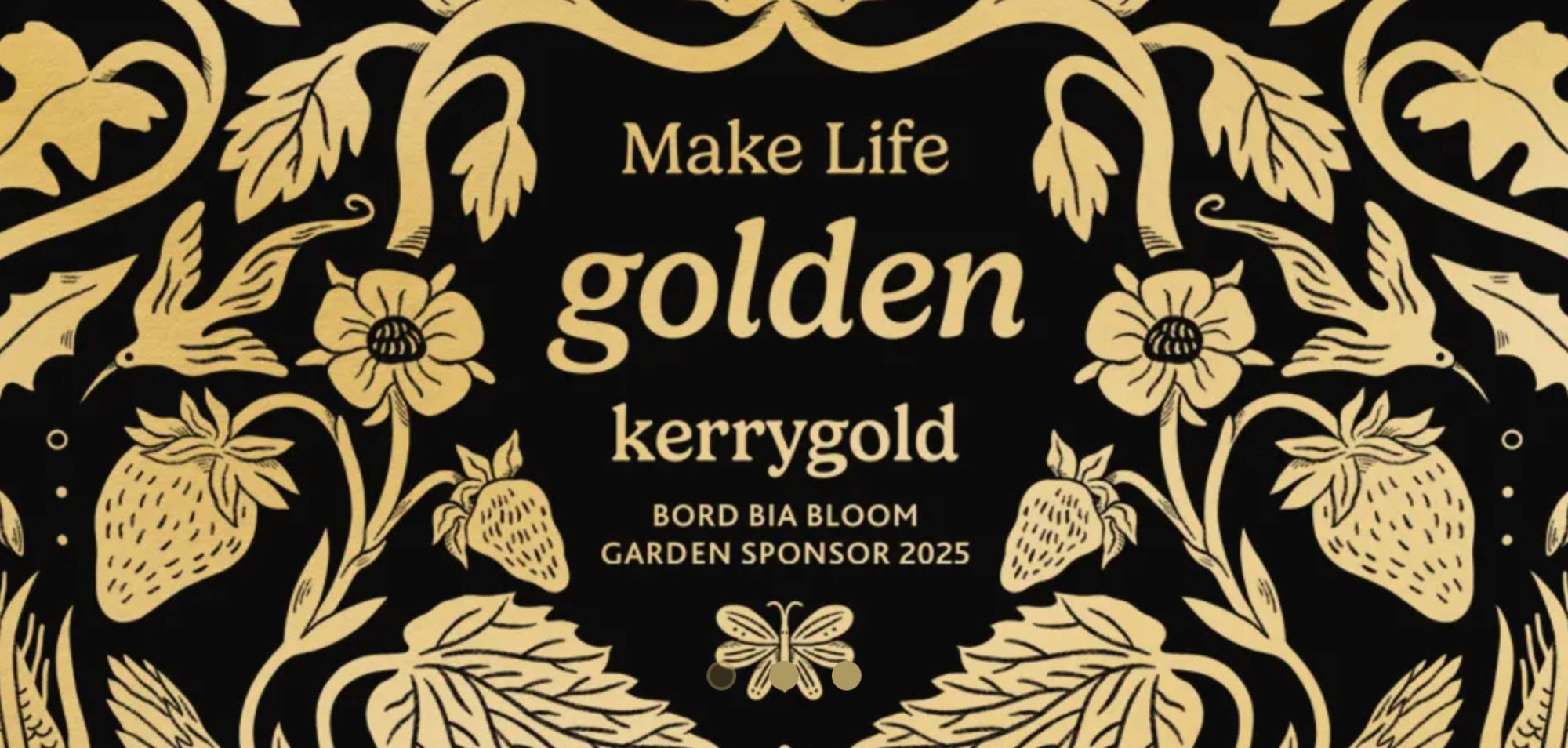
Shared values matter enormously. Kerrygold's partnerships with Irish dairy farmers work because commitment to quality and Irish provenance align perfectly. When values match, partnership messaging feels authentic rather than forced.
Brand positioning alignment means you're aiming for similar market positions without occupying identical space. A craft brewery partnering with an artisan cheese maker both target premium, locally-focused customers. Their positioning complements without conflicting.
For small-to-small partnerships, you're often collaborating with businesses at similar stages. Shared challenges around growth, resources, and market presence create natural partnership benefits. For small-to-established partnerships, like a micro-producer partnering with a larger Irish retailer, the dynamic differs, but positioning principles remain crucial.
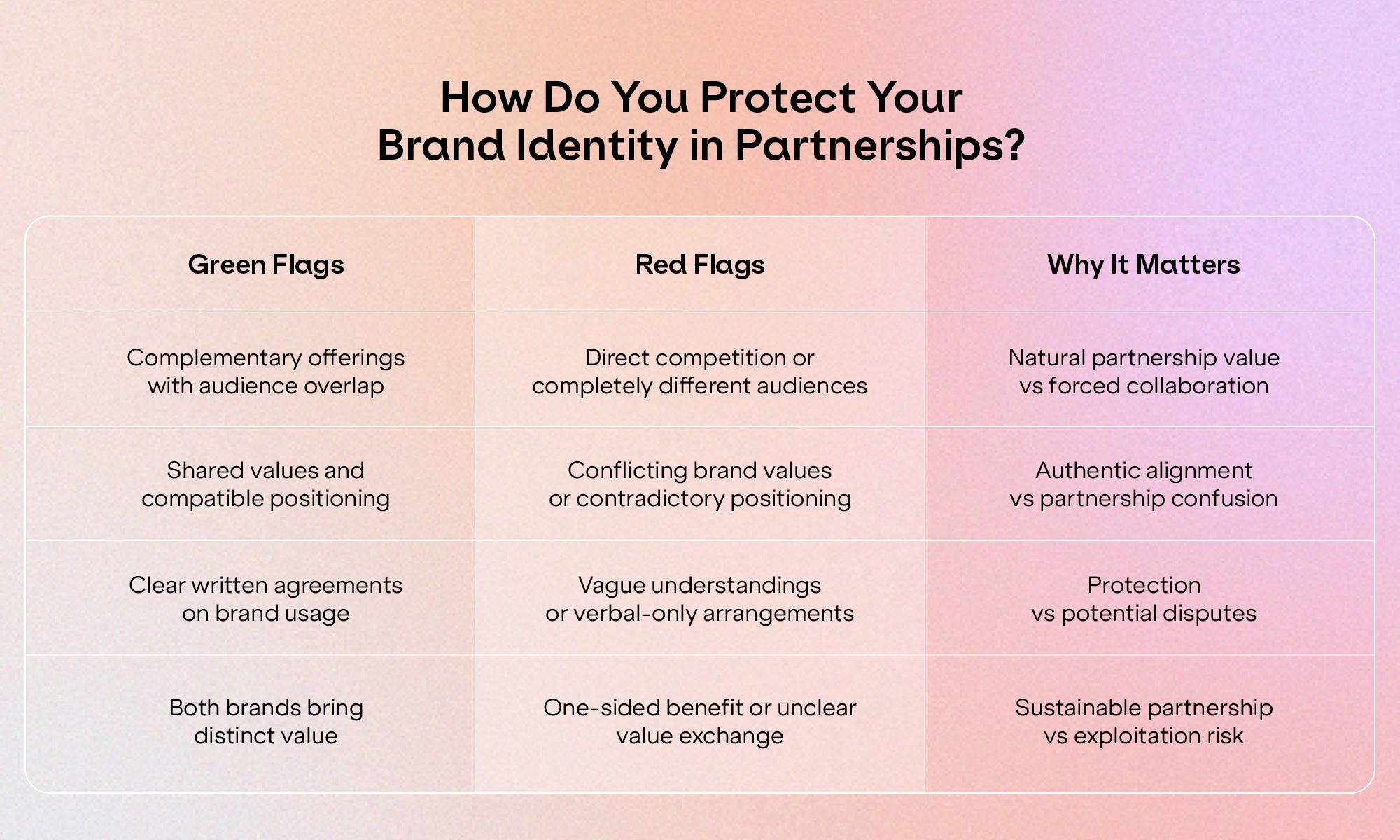
How Do You Protect Your Brand Identity in Partnerships?
Maintaining a clear corporate identity throughout partnerships requires planning. Your visual identity shouldn't blur into your partner's. Even in co-branded materials, each brand remains recognisable and distinct.
Partnership agreements should address brand usage explicitly. Who can use whose logo? What colour combinations are acceptable? Who approves co-branded materials? These aren't bureaucratic details; they're protections ensuring partnership strengthens rather than dilutes your brand.

Ballymaloe's various partnerships demonstrate this well. Whether collaborating on products or events, their visual identity remains distinct while creating cohesive partnership presence. That's strategic brand positioning at work.
What Should Partnership Agreements Address About Branding?
Partnership agreements need specific clauses about brand usage. This includes visual identity guidelines for co-branded materials, approval processes for any content featuring both brands, and clear terms about how long each party can use the partnership association after collaboration ends.
Intellectual property considerations matter. Who owns co-created content? Can you use partnership case studies in future marketing? What happens to collaborative materials if the partnership dissolves? A brand positioning agency can help structure agreements that protect your identity while enabling collaboration.
Exit strategy provisions prevent awkward situations. Clear terms about transitioning out of partnerships, removing co-branded materials, and handling existing inventory with partnership branding protect both parties.

How Do You Ensure Customers Don't Get Confused?
Clear communication about the nature of the partnership prevents confusion. You're collaborating with another brand, not becoming that brand. Your corporate identity and messaging should make this distinction obvious.
Maintain consistent brand positioning in partnership communications. If your positioning centres on handcrafted quality, ensure partnership messaging reinforces this rather than diluting it. Every partnership touchpoint should strengthen rather than muddy your individual identity.
Visual identity consistency helps customers understand partnership dynamics. When your brand maintains distinctive colours, fonts, and design approach even in collaborative materials, recognition remains clear.
What Makes Irish Brand Partnerships Work?
Local market understanding creates authentic Irish partnerships. You both understand Irish customer expectations, cultural context, and market dynamics. This shared foundation makes collaboration smoother and messaging more genuine.
Community-focused collaborations resonate particularly well in Ireland. Partnerships positioned around supporting local, building community, or celebrating Irish provenance tap into values Irish customers genuinely care about. Forced partnerships focused purely on commercial gain feel inauthentic.
Authenticity matters more than scale. Two micro-businesses partnering because their values align work better than partnerships driven solely by commercial opportunity. Irish customers recognise and reward genuine collaboration.
When Should Small Businesses Partner vs Go Alone?
Partnership makes sense when it accelerates growth you couldn't achieve alone. Access to new audiences, shared marketing costs, enhanced credibility through association, or complementary capabilities all justify partnership investment.
Consider your growth stage. Early-stage businesses benefit from partnerships providing market access or credibility. Established businesses might partner to enter new segments or expand offerings. The strategic rationale should be clear before committing.
Resource and reach benefits matter. If a partnership provides distribution you couldn't afford independently, or introduces your brand to audiences that would take years to reach on your own, the strategic value is obvious.
Ready to explore strategic partnerships? Book a consultation and we'll help you evaluate potential collaborations, protect your brand positioning, and structure partnerships that accelerate growth without compromising identity.