Crisis-proof brand strategies combine three elements: clear positioning that genuinely differentiates you, consistent identity across every touchpoint, and authentic values that guide decisions under pressure. The brands that weather storms aren't the ones with the biggest budgets. They're the ones whose customers know exactly what they stand for. For Irish businesses navigating economic uncertainty, rising costs, and market volatility, building this kind of brand resilience isn't optional anymore. It's a competitive advantage. And it starts with corporate identity services that define who you are before you decide how you look.

Why Do Some Brands Survive Crises While Others Don't?
The difference rarely comes down to crisis management plans or PR budgets. It comes down to whether customers already know what you stand for.
Ryanair offers a useful example. For years, the airline's reputation for poor customer service overshadowed its low fares. When they finally addressed the problem, they didn't just launch a marketing campaign. They acknowledged past mistakes publicly, introduced customer-friendly changes, and invested in staff training. The "Always Getting Better" initiative worked because it was backed by genuine operational change, not just messaging.
Brands with clear positioning recover faster because customers understand what to expect from them. When that expectation is met consistently, trust builds over time. When a crisis hits, that trust becomes a buffer. Irish businesses facing uncertainty need this foundation now, not after the next challenge arrives.
What Makes a Brand Strategy Resilient?
Resilient brand strategies share three characteristics that hold up under pressure.
First, clear brand positioning that differentiates you genuinely. Not a tagline, but a real understanding of why customers choose you over alternatives. Second, consistent corporate identity across every touchpoint, from your website to your invoices to how your team answers the phone. Third, authentic values that actually guide decision-making, not just words on a wall.
The difference between reactive and proactive approaches is significant:
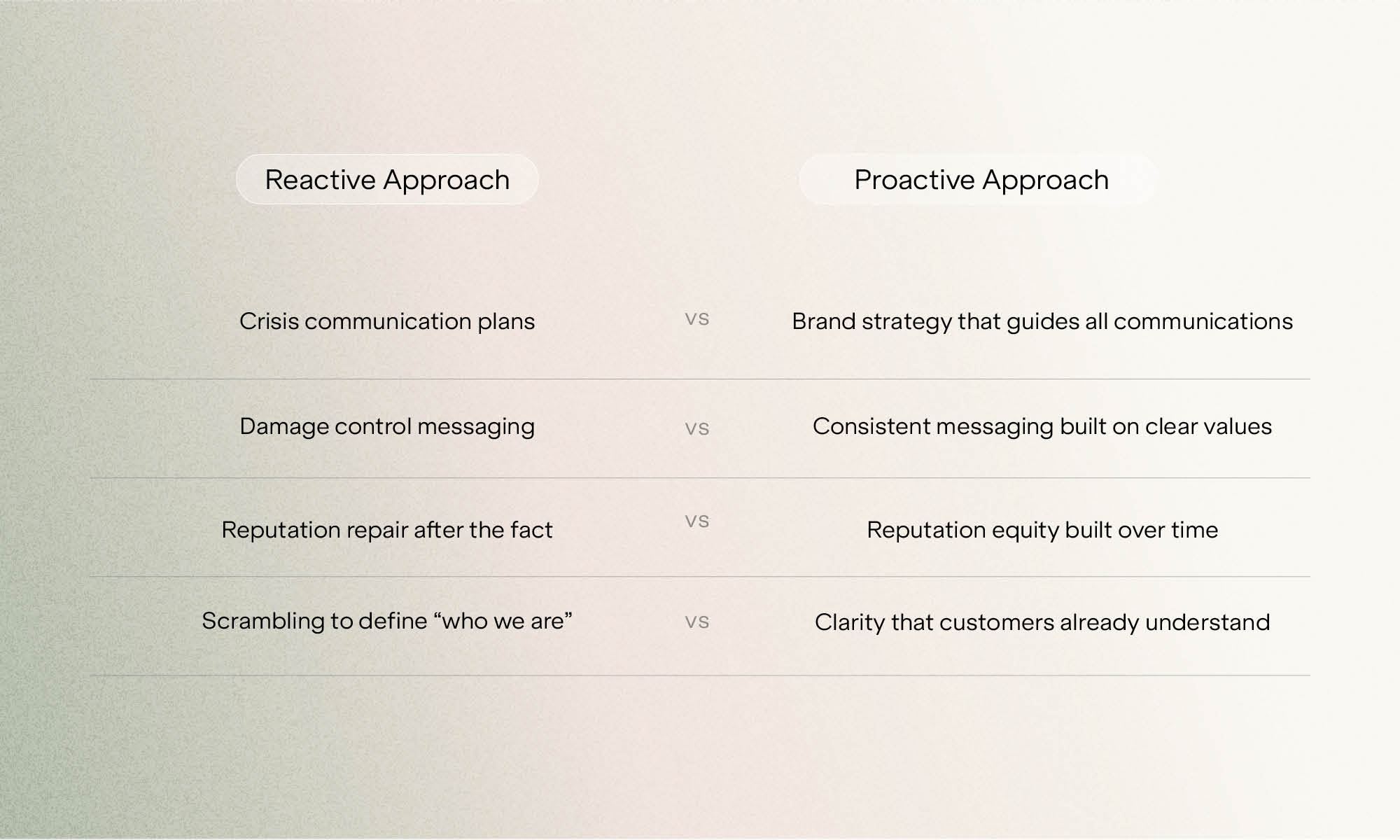
Most businesses operate reactively. They think about brand reputation when something goes wrong. The resilient ones build brand equity continuously, so when challenges arise, they're drawing from a reserve of customer trust rather than starting from zero.
How Can Irish SMEs Build Brand Resilience on a Budget?
Brand resilience doesn't require enterprise budgets. It requires strategic clarity.
Start with strategy before visuals. We see businesses invest in logos and websites before defining their positioning, then wonder why their brand doesn't resonate. Getting the foundations right first means every subsequent investment works harder.
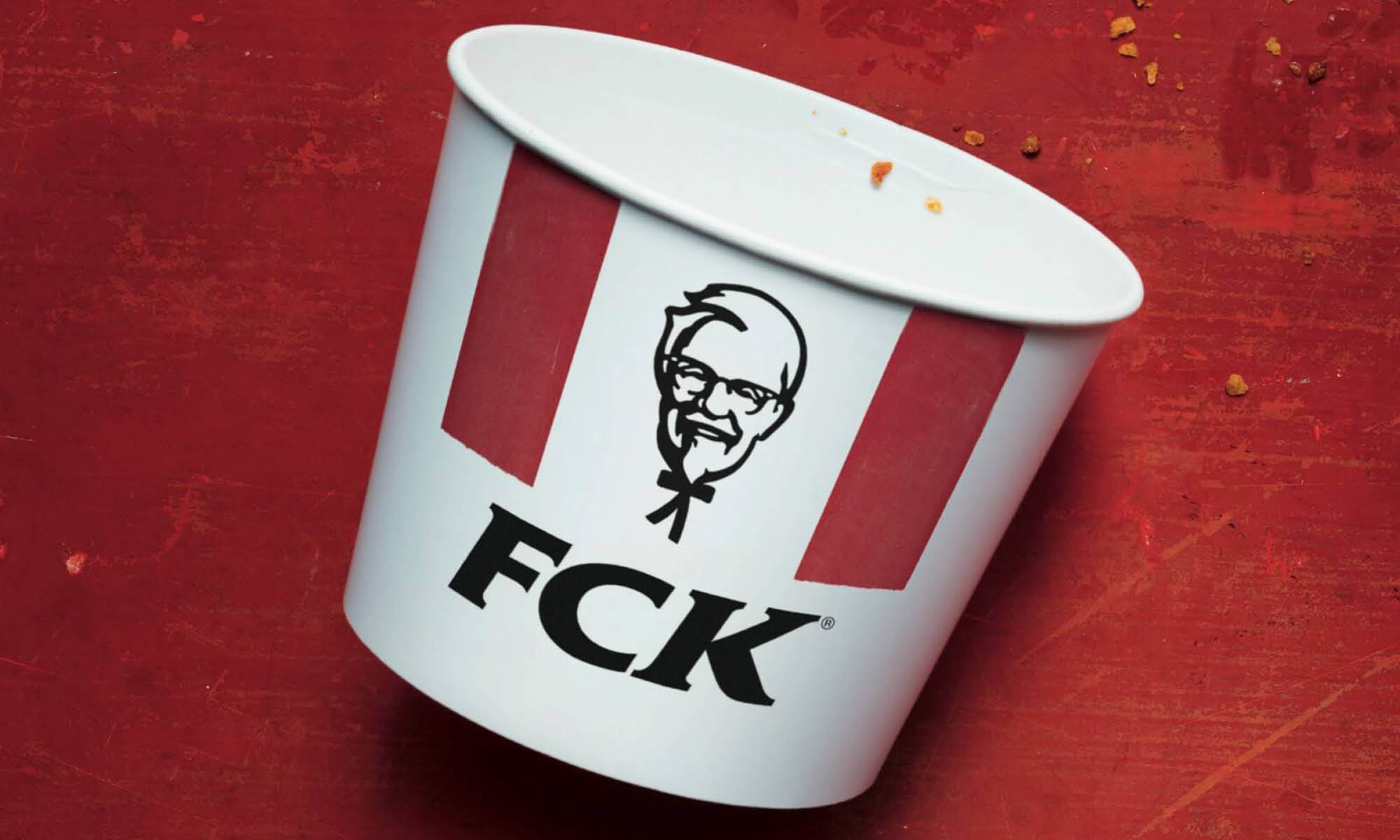
KFC's response to their 2018 chicken shortage in the UK shows what's possible with the right foundation. Faced with a genuine operational crisis (a fried chicken restaurant without chicken), they responded with a full-page newspaper ad rearranging their letters to spell "FCK" with a simple apology. It worked because it aligned with their established brand personality: honest, a bit cheeky, and human. That response cost far less than a traditional crisis campaign and generated goodwill that outlasted the shortage.
For Irish SMEs facing material cost increases of 73% and tighter margins, brand strategy offers something valuable: the ability to justify premium positioning. When customers understand and trust what you stand for, price becomes less of the deciding factor.
What Role Does Corporate Identity Play in Crisis Resilience?
Your corporate identity is your brand's face. In uncertain times, customers look for familiar faces they trust.
Visual consistency builds recognition over time. When every touchpoint reinforces the same message, customers develop confidence in who you are. That confidence doesn't disappear when markets get choppy or when your industry faces challenges.
Consider that 88% of Irish SMEs remain optimistic about the year ahead despite economic pressures. That confidence needs to be communicated to customers, partners, and employees. A strong corporate identity does this work constantly, reinforcing stability and professionalism even when external circumstances feel uncertain.
Professional corporate identity services ensure every customer touchpoint reinforces who you are and what you stand for. It's not about looking polished for its own sake. It's about building the kind of recognition and trust that pays dividends when you need it most.
What Steps Should Irish Businesses Take Now?
Before investing in crisis planning, audit your brand foundations.
Brand Resilience Checklist:
• Can you articulate your brand positioning in one sentence?
• Do your visual identity and messaging align across all touchpoints?
• Would your team make consistent decisions under pressure based on your brand values?
• Do your customers know what you stand for beyond your products or services?
If you're answering "no" to any of these, that's where to start. A crisis communication plan built on unclear positioning is just organised confusion.
The investment you make in brand strategy now pays dividends when challenges arise. Not because you'll have the perfect response prepared, but because your customers will already understand who you are and give you the benefit of the doubt.
Ready to Strengthen Your Brand's Foundation?
Economic uncertainty isn't going away. The businesses that thrive through it will be those whose brands mean something to their customers beyond transactions.
If you're thinking about strengthening your brand's foundation, whether that's clarifying your positioning, aligning your corporate identity, or developing a strategy that guides decisions under pressure, we'd be happy to chat about where to start. Get in touch with us.