Is your business guilty of greenwashing? Discover how to communicate sustainability claims authentically and build trust. Read the guide.

Are Businesses in Ireland Guilty of Greenwashing?
The honest answer is yes, though not all sustainability claims are intentionally misleading. Some Irish businesses genuinely try to integrate sustainability but over claim their progress. Others engage in deliberate greenwashing, using environmental messaging purely for marketing advantage without meaningful action behind it.
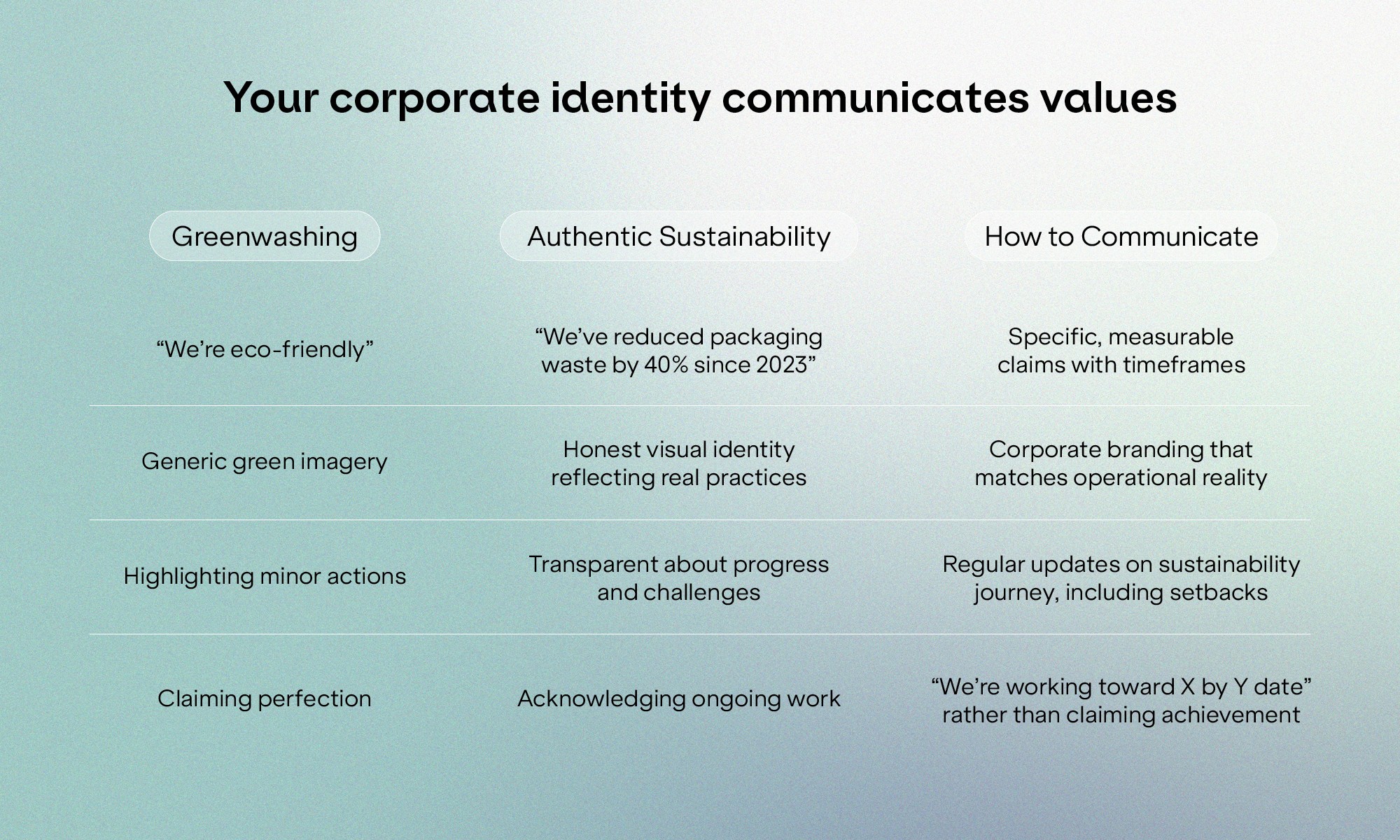
Greenwashing is making environmental claims that are misleading, unsubstantiated, or irrelevant. It's saying you're "eco-friendly" without specifics. It's using green imagery whilst your operations remain unchanged. It's highlighting one minor sustainable practice whilst ignoring significant environmental impacts elsewhere.
For Irish SMBs, the stakes are high. Customer trust, once lost, is difficult to rebuild. Your corporate identity should reflect genuine values, not fabricated environmental credentials.
Greenwashing Red Flags to Avoid
Vague claims like "eco-friendly" or "green" without specific evidence or measurements
Misleading imagery suggesting environmental benefits that don't exist
Hidden trade-offs where one green attribute distracts from larger environmental impacts
Irrelevant claims highlighting something that's legally required anyway
Outright lies about certifications, practices, or environmental impact
No proof or third-party verification for sustainability claims.
What Actually Counts as Greenwashing?
Greenwashing takes many forms. It's the café claiming to be sustainable because they use paper straws whilst sourcing from environmentally damaging suppliers. It's the retailer with "green" packaging made from materials that aren't actually recyclable in Ireland's waste systems. It's the business claiming carbon neutrality without transparent offsetting information.
Common tactics include vague language that sounds environmental without meaning anything specific. Claims about being "natural" or "clean" that have no standard definition. Selective disclosure where you trumpet one small green initiative whilst hiding larger environmental problems.
Irish customers are particularly alert to greenwashing. They've seen enough superficial sustainability claims to recognise when businesses are performing rather than acting. Your brand positioning needs to reflect genuine commitment, not marketing convenience.
Why Do Irish Customers Care About Authentic Sustainability?
Trust matters more than ever. Irish consumers increasingly make purchasing decisions based on values alignment. When they discover greenwashing, they feel deceived. That damages not just individual purchase decisions but long-term brand loyalty.
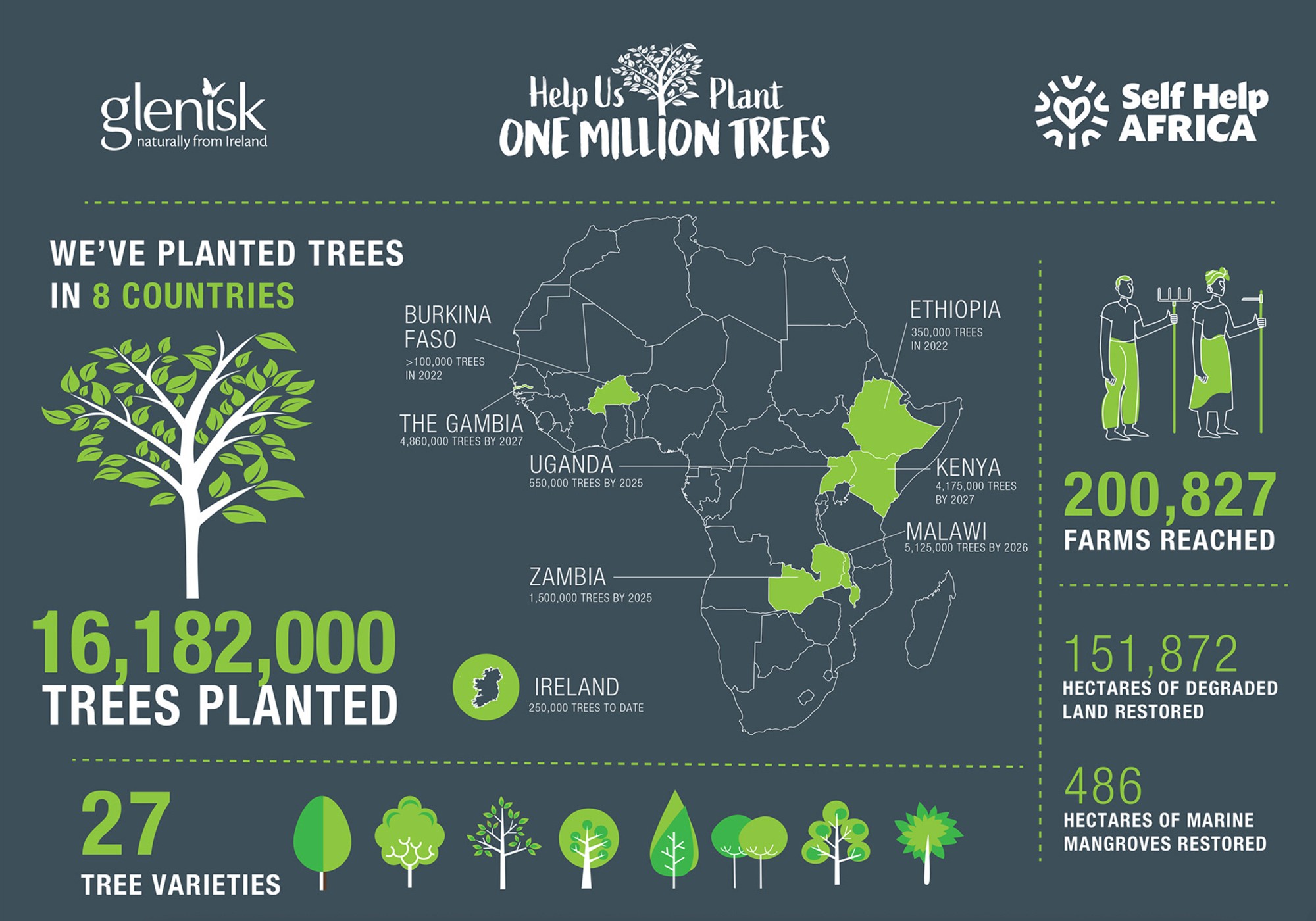
Look at Glenisk as a benchmark for authentic sustainability in Irish business. They've integrated environmental practices throughout operations, from renewable energy to sustainable farming partnerships. Their communications focus on specific, verifiable actions rather than vague green claims. That's an authentic brand strategy that builds rather than undermines trust.
Your corporate identity communicates values. When sustainability claims don't match reality, customers question everything else you say about your business.
How Can Irish SMBs Integrate Sustainability Authentically?
Start with genuine operational changes before making public claims. Conduct a brand audit examining what sustainability practices you actually have versus what you're communicating. The gap between these reveals where you risk greenwashing accusations.
If you're serious about sustainability, consider certifications that provide third-party verification. Origin Green, Ireland's national sustainability programme, offers framework and credibility. B Corp certification demonstrates commitment to environmental and social standards. These aren't just badges, they're accountability mechanisms that prevent overclaiming.
Your brand strategy should position sustainability as part of your identity only if operations genuinely support it. Don't lead with environmental messaging if it's not central to how you actually run your business.
What Should You Communicate (and What Should You Avoid)?
Communicate specific actions with measurable outcomes. Instead of "committed to sustainability," say "reduced energy consumption by 25% through solar installation in 2024." Instead of "environmentally responsible," specify "sourcing 80% of materials from suppliers within 100km of Dublin."
Avoid vague language without substance. Don't use terms like "green," "natural," or "eco-friendly" without explaining exactly what you mean and how you've achieved it. Avoid imagery that suggests environmental benefits your business doesn't deliver. Don't claim carbon neutrality without transparent information about calculations and offsetting.
Corporate branding services can help you communicate sustainability authentically by ensuring visual identity and messaging match operational reality. Brand positioning for environmental responsibility requires evidence, not aspiration.
How Do You Build Trust Without Greenwashing?
Transparency matters more than perfection. Customers respect businesses honest about their sustainability journey, including challenges and setbacks. Share progress reports with real data. Acknowledge areas where you're still working to improve.
Get third-party verification for major claims. If you claim carbon reduction, have it measured and verified. If you claim sustainable sourcing, provide specifics and evidence. Engage stakeholders in your sustainability efforts so claims reflect reality.